
Myopia management
Myopia management is a treatment program prescribed by our doctors, designed to stop or slow the progression of myopia.
What is myopia?
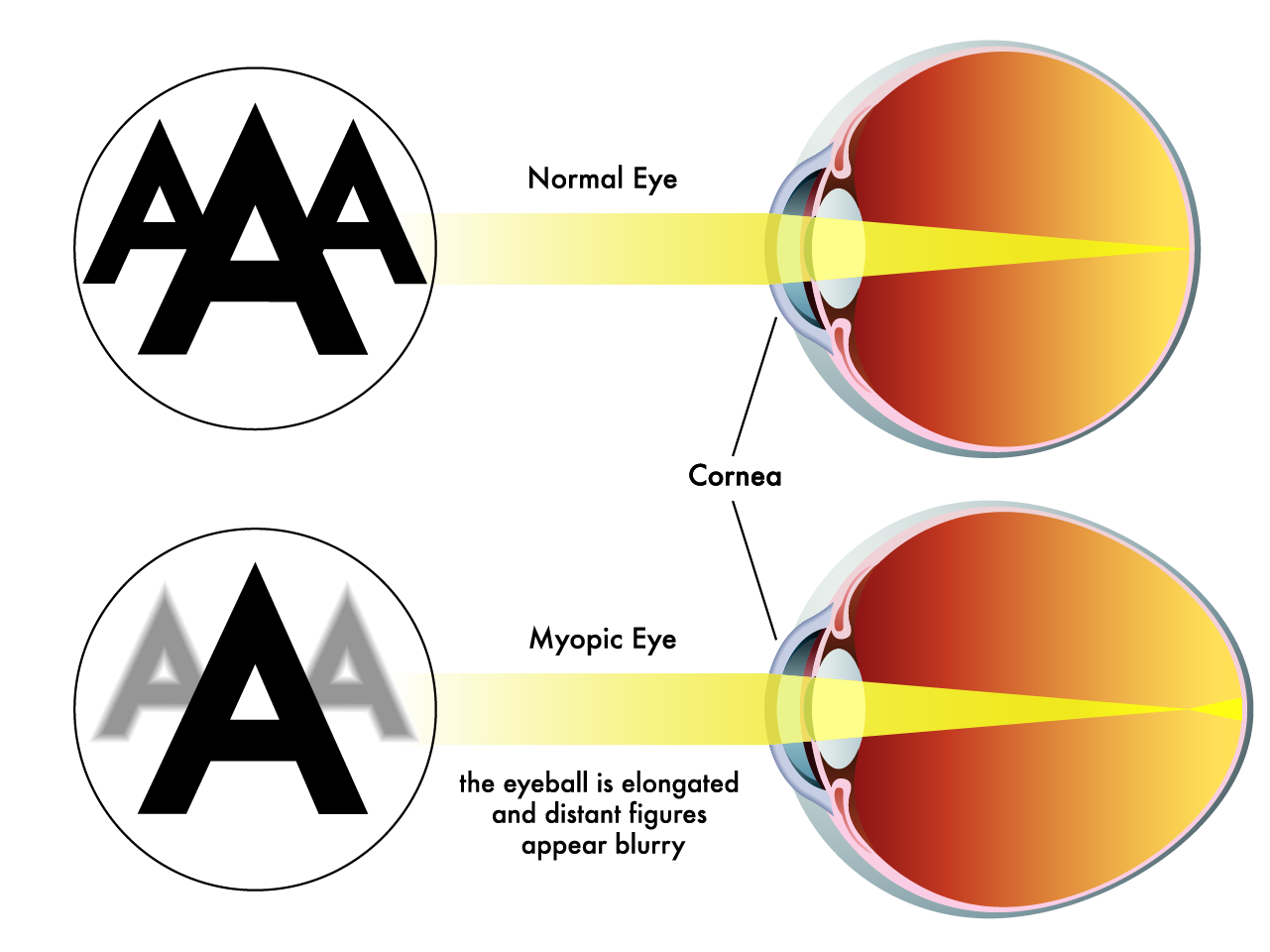
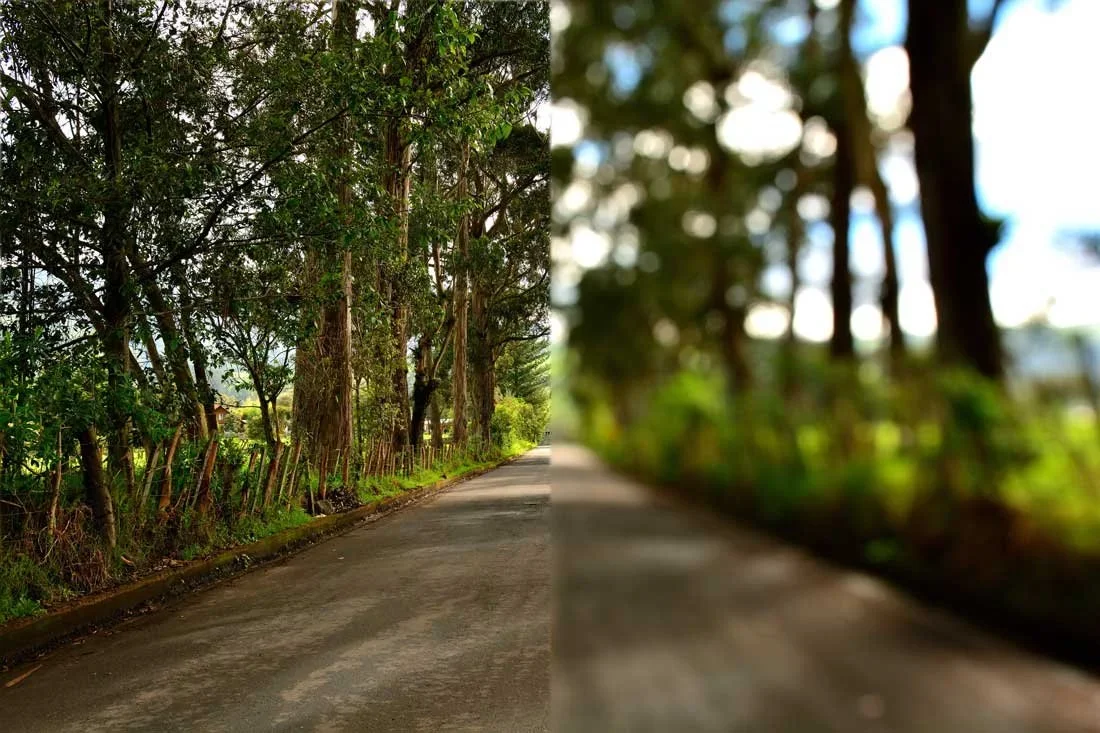
If you or your child has trouble seeing things far away, you may have myopia, also known as nearsightedness. This is a condition in which you can see objects clearly when they are close to you, but have difficulty seeing them when they are far away. It is a common problem that occurs when the eyeball is usually too long from front to back. This condition can be treated in a variety of ways. Symptoms of myopia include difficulty seeing distant objects, squinting, headaches, and eye fatigue.
What are the symptoms of Myopia?
-
Blurry vision at a distance
-
Squinting eyes to see far away
-

Headaches and eyestrain
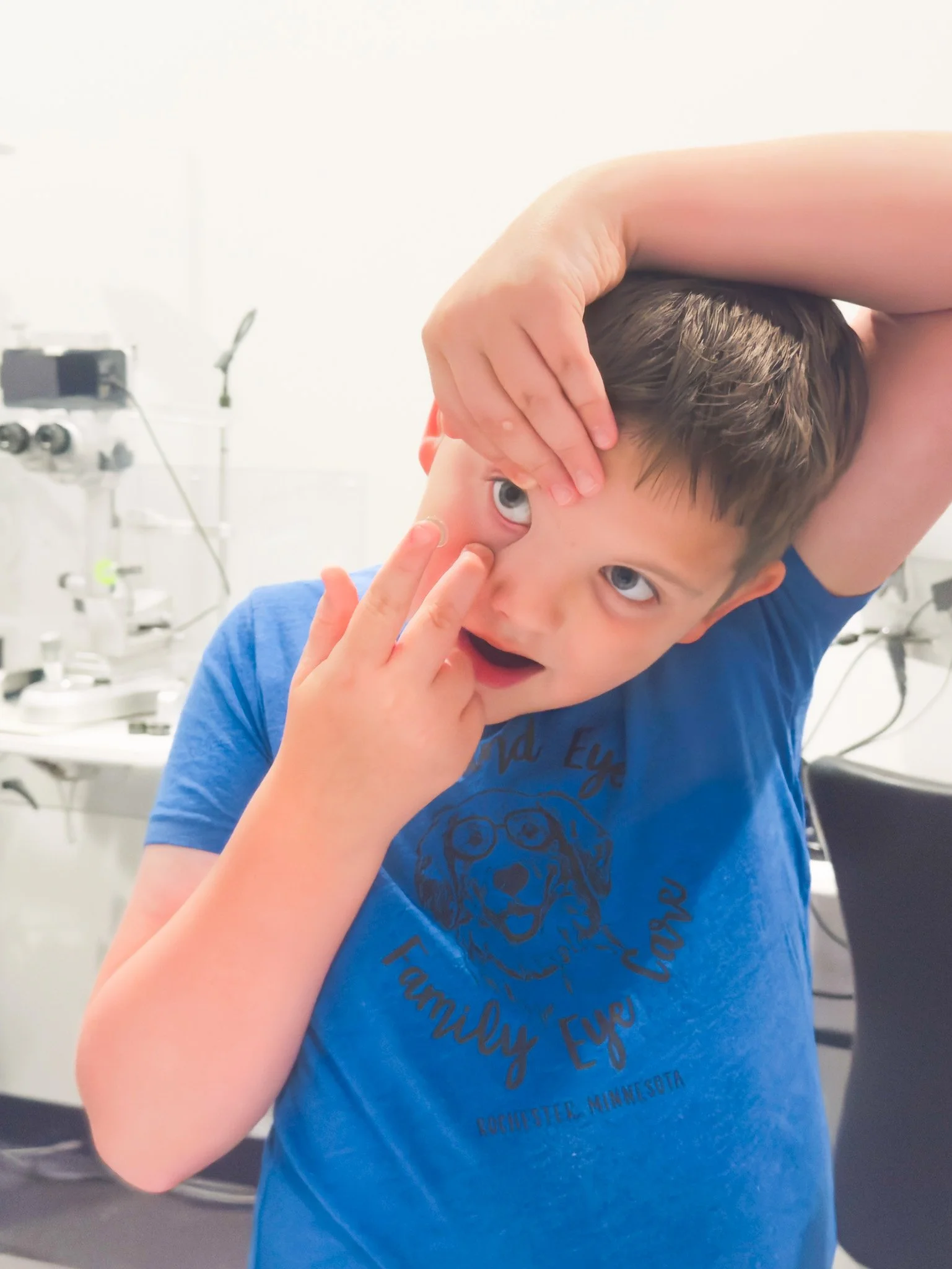
Symptoms a child with Myopia may be experiencing…
Persistently squint
Need to sit closer to the television, movie screen, or the front of the classroom
Seem to be unaware of distant objects or details
Blink excessively
Rub his or her eyes frequently
These symptoms are a result of blurred vision when looking at things far away. While myopia is not reversible and will continue to increase in children until the age of 20-21 years of age. This is why it is key to diagnose early and slow down its progression with eye therapies.
How common is Myopia?
Myopia is on the rise. A 2008 study found that a third of Americans have myopia or nearsightedness. A 2009 study further revealed that the number of Americans with myopia had increased dramatically from the 1970s to the early 2000s.
Myopia is becoming more and more common around the world. Risk factors for progressive myopia would include:
Time spent indoors performing near & intermediate activities in excess of 2-2.5 hours per day
Spending less than 2-2.5 hours per day outdoors is at higher risk.
Family history & genetics
If a child has one nearsighted parent, they are 3x more likely to be at risk; if they have two nearsighted parents, they are 6x more likely to be at risk.
More recent research has shown that cases of myopia (nearsightedness) are surging in kids aged 8-14 worldwide. Recent studies suggest this may be due to a decrease in the time children spend outdoors.
What are the treatment options for Myopia?
Developing a treatment plan can slow down the progression of myopia. A treatment plan can include both lifestyle and therapies for your child’s eyes. Call ☎ (507) 322-0044 with You and Eye Family Eye Care to create a custom treatment plan for your child.
-
Reduce near & intermediate activities, including reading, writing, phones, iPads, handheld video games, etc.
Increase outdoor play
Improve study posture, head & eyes further from paper or device to reduce over-focusing
-
Low concentration Atropine drops
Orthokeratology overnight lenses
Dual-focused contact lenses (MiSight 1-day lenses)
FDA approved Stellest Spectacle Lenses
Explore exams and our other specialties
-

Comprehensive eye exam
Comprehensive eye care for every stage of life. From pediatric checkups to annual adult exams, protect your family’s vision with thorough, expert care and the latest technologies.
-

Dry eye management
Frustrated by constant burning, irritation, or watery eyes? We utilize advanced diagnostics to treat the root causes of chronic dry eye disease.
-

BVD Therapy
Struggling with unexplained headaches, dizziness, or digital eye strain? Our specialized evaluations detect the hidden eye misalignments that traditional eye exams miss.